Streamlining Digital Presence: The Strategic Value of a Construction Figma PSD Landing Page
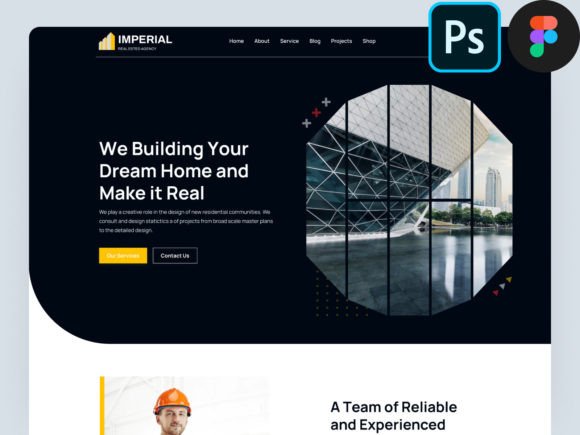
In the rapidly evolving landscape of digital marketing and web development, the initial point of contact between a business and its potential clients is more critical than ever. For industries rooted in physical creation and tangible results, such as construction, architecture, and engineering, translating that solidity into the digital realm requires precision. This is where a Construction Figma PSD Landing Page becomes an indispensable asset. It is not merely a collection of graphics; it is a foundational blueprint for establishing credibility, showcasing expertise, and converting visitors into leads.
The modern professional, whether a freelancer, entrepreneur, or established firm, understands that a website is the cornerstone of brand identity. However, the gap between having a vision for a site and executing it efficiently can be vast. Predefined templates bridge this gap by offering a structured yet flexible starting point. By utilizing a template designed with both Figma and PSD files, businesses gain access to a dual-layered workflow that caters to both modern collaborative design processes and traditional pixel-perfect editing needs.
Bridging Design and Development Through Modern UI Standards
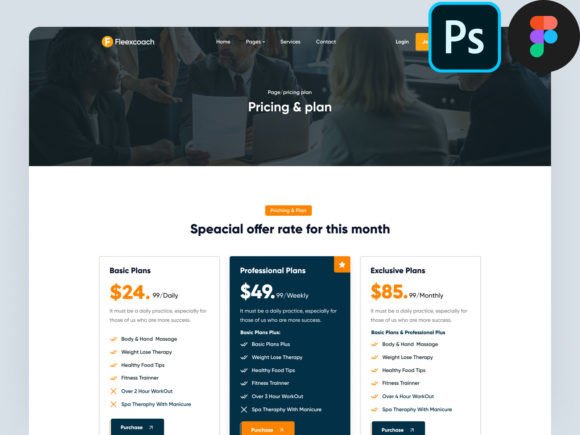
The demand for high-quality user interfaces (UI) has transcended the tech industry, permeating sectors like legal services, financial advising, and wellness coaching. A construction company, much like a life coach or an insurance broker, relies heavily on trust. A cluttered, outdated, or non-responsive website erodes that trust instantly. Conversely, a site built on a modern UI and unique design signals professionalism and attention to detail.
When we discuss a template that is highly customizable and looks awesome on tablets and mobile devices, we are addressing a fundamental shift in consumer behavior. Users no longer browse exclusively from desktop computers. They research contractors, consultants, and advisors on smartphones during commutes or on tablets in meeting rooms. Therefore, the underlying structure of any landing page must be responsive. Templates based on the Bootstrap Grid System or a 1170px Grid ensure that content reflows seamlessly across different screen sizes. This technical robustness is invisible to the end-user but vital for retention and search engine optimization.
Furthermore, the inclusion of vector icons and amazing vector illustrations allows for scalability without loss of quality. Whether you are scaling up a logo for a large monitor or shrinking an icon for a mobile navigation bar, vector assets remain crisp. This level of polish is what separates amateur efforts from professional-grade digital presences.
The Versatility of Professional Service Templates
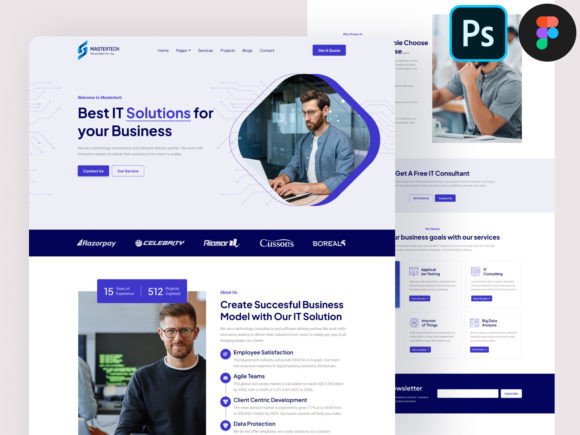
While the primary focus may be on construction, the architectural principles of a well-designed landing page are universal. The same structural integrity that supports a construction firm’s portfolio can support a business consulting practice, a lawyer’s case studies, or an investment consultant’s market insights. The modularity of these templates means that the core components—hero sections, service grids, testimonial sliders, and contact forms—are adaptable to various niches.
Consider the workflow of a financial advisor or an insurance broker. They need to present complex information in a digestible format. A template with well-organized layers and properly named groups allows designers to swap out imagery and text without disrupting the layout’s balance. Similarly, a wellness coach or life coach can utilize the clean, minimal modern design to create a calming, inviting atmosphere that resonates with their clientele. The ability to easily find artboards, folders, and layers reduces the time spent on technical adjustments, allowing professionals to focus on messaging and strategy.
This versatility extends to advertising consulting agencies as well. These firms often need to demonstrate their own creative prowess through their website. Using a template that features creative and unique design elements provides a canvas that is already aesthetically pleasing, enabling agencies to inject their brand colors and typography while maintaining a high standard of visual hierarchy.
Enhancing Workflow Efficiency with Figma and PSD Integration
The decision to include both Figma and PSD files in a single package is a strategic response to the diverse tools used in today’s design ecosystem. Figma has revolutionized collaborative design, allowing teams to work simultaneously on the same file, comment in real-time, and prototype interactions. Its component-based system ensures consistency across the design. When a template is built using Figma Styles and Components, it offers a level of efficiency that is unmatched. Designers can update a primary color or font style in one place, and it propagates throughout the entire document.
However, many developers and legacy workflows still rely on Adobe Photoshop. Providing a PSD file ensures that those who prefer raster-based editing or have specific print-design overlaps can still utilize the template effectively. This dual-format approach acknowledges the reality of hybrid teams where designers might use Figma for prototyping while developers or print specialists might need PSD assets for detailed image manipulation.
The feature of 100% customizable Figma files means that users are not locked into a rigid structure. They can rearrange sections, add new artboards, or modify existing components to suit their specific narrative. For instance, a construction firm might want to emphasize project galleries, while a business consultant might prioritize case study downloads. The flexibility of the template accommodates these differing priorities without requiring a complete redesign from scratch.
Technical Precision and Best Practices in Web Development
Underpinning the visual appeal of any landing page is the code structure. While design tools like Figma and PSD handle the visual layer, the transition to development is smoother when the design adheres to web standards. Templates based on the Bootstrap Grid System or a Full width 1600px layout provide developers with a clear understanding of spacing, margins, and breakpoints. This alignment between design and development reduces friction during the handoff process.
Moreover, the use of FREE fonts from Google Fonts ensures that typography is not only beautiful but also web-safe and easy to implement. There are no licensing hurdles or custom font file uploads required, which speeds up the development timeline. This attention to detail reflects a broader trend in web development: the prioritization of performance and accessibility. A site that loads quickly and reads clearly on all devices is more likely to rank higher in search engines and retain visitors.
The organization of the file itself is a testament to professional best practices. All layers have been named and grouped properly, which is crucial for collaboration. When multiple stakeholders are involved—such as a marketing manager, a graphic designer, and a web developer—clarity in file structure prevents errors and miscommunication. It allows anyone opening the file to understand the hierarchy and intent of the design immediately.
Why Professionals Are Investing in Quality Templates
The shift towards using high-quality, pre-built templates like the Construction Figma PSD Landing Page is driven by a need for speed without sacrificing quality. In a competitive market, time-to-market is a significant advantage. Entrepreneurs and freelancers cannot afford to spend months designing a website from scratch. They need a solution that is ready to deploy but flexible enough to reflect their unique brand identity.
Additionally, the cost-effectiveness of purchasing a comprehensive template package—which includes 1 Figma File and 1 PSD File—is undeniable. It eliminates the need for hiring expensive design agencies for the initial setup. Instead, businesses can allocate those resources towards content creation, SEO, and advertising. The template provides the skeleton; the business provides the soul.
As digital expectations continue to rise, the baseline for what constitutes a "professional" website has moved upward. Consumers expect intuitive navigation, fast load times, and visually appealing layouts. By leveraging a template that incorporates minimal modern design principles and unique artboards, professionals can meet these expectations effortlessly. It is a practical solution that aligns with the broader trends of digital transformation, where efficiency, aesthetics, and functionality converge.
In conclusion, the value of a well-structured landing page template extends far beyond its visual components. It represents a strategic tool for building trust, enhancing workflow efficiency, and adapting to the multi-device reality of modern internet usage. Whether you are in construction, consulting, law, or wellness, investing in a robust, customizable design foundation is a step towards long-term digital success.