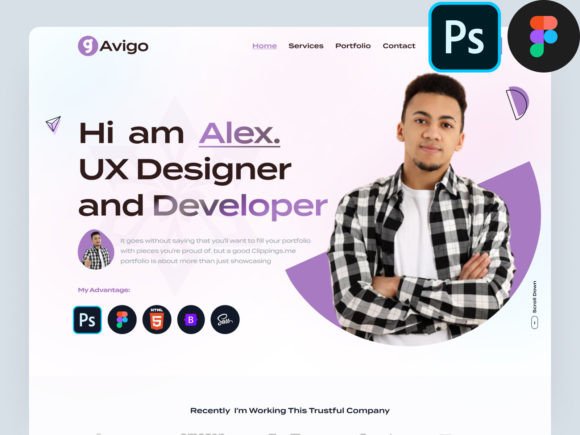
Mastering Digital Presence with a Personal Portfolio Figma PSD Page
In the rapidly evolving digital landscape, the distinction between a generic online presence and a compelling personal brand often lies in the quality of design and the efficiency of development. For professionals ranging from business consulting services providers to creative freelancers, a website is not merely a digital brochure; it is the cornerstone of credibility. Utilizing a Personal Portfolio Figma PSD Page offers a strategic advantage, bridging the gap between high-fidelity design concepts and functional web deployment. This approach ensures that the final output is not only visually stunning but also technically robust, catering to a diverse audience that includes lawyers, financial advisors, life coaches, and investment consultants.
The Strategic Value of Predefined Web Elements
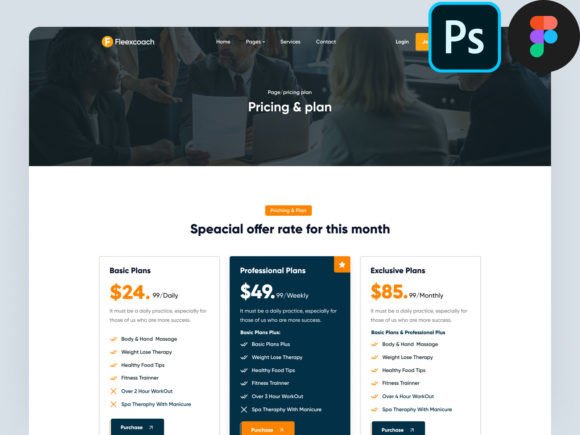
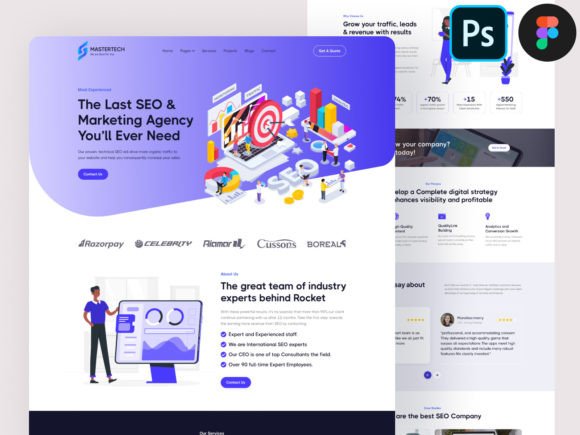
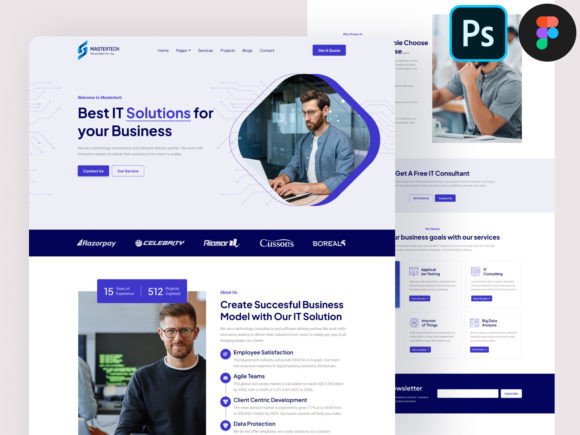
Creating a website from scratch can be a daunting task, particularly for those who possess deep industry expertise but lack extensive coding knowledge. This is where templates designed with modern UI principles become invaluable. A template built for a personal portfolio landing page provides a foundation of predefined web elements that streamline the construction process. These elements are not just aesthetic placeholders; they are carefully structured components that adhere to best practices in user experience and interface design.
For instance, consider a wellness coach or an advertising consultant. Their primary goal is to convey trust, professionalism, and unique value propositions quickly. By leveraging a template that includes optimized sections for testimonials, service breakdowns, and contact forms, these professionals can focus on content rather than layout mechanics. The integration of vector icons and amazing vector illustrations enhances visual communication, allowing complex ideas to be understood at a glance. This efficiency is crucial in maintaining visitor engagement, especially when the audience is browsing on mobile devices where screen real estate is limited.
Versatility Across Professional Disciplines
One of the most significant advantages of using a highly customizable design system is its adaptability across various industries. While the core structure may remain consistent, the application varies significantly depending on the professional’s field. Let us explore how different sectors can leverage this flexibility.
- Business Consulting and Financial Advisors: These professionals require a clean, authoritative aesthetic. A minimal modern design helps in presenting data-heavy information, such as investment strategies or market analysis, without overwhelming the user. The use of clear typography and structured grids ensures that complex financial advice is accessible and easy to digest.
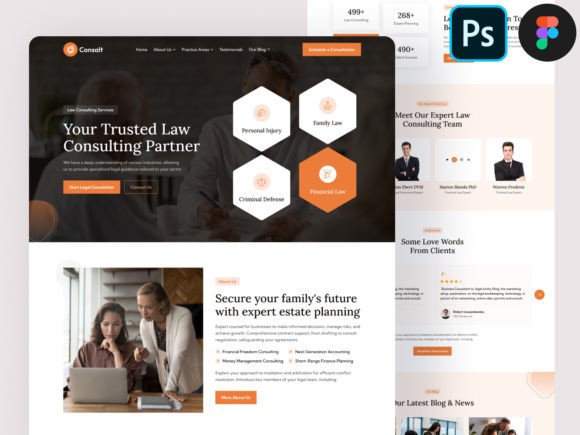
- Legal Professionals: Lawyers and legal consultants benefit from layouts that emphasize clarity and trust. A well-organized layer structure in the design file allows for easy customization of case study sections and attorney profiles, ensuring that potential clients can quickly find relevant expertise.
- Life Coaches and Wellness Experts: These fields thrive on personal connection. Templates that support high-quality imagery and emotive vector illustrations help create an inviting atmosphere. The ability to customize colors and fonts using Google Fonts allows coaches to align the site’s vibe with their personal branding philosophy.
- Creative Industries: Advertising consultants and designers need portfolios that showcase their work prominently. A template based on a Bootstrap grid system provides the structural integrity needed to display galleries and project case studies in a responsive manner, ensuring that creativity is not compromised by technical limitations.
Technical Foundations: Bootstrap and Grid Systems
Behind every beautiful interface lies a robust technical framework. The inclusion of best practices in web development, such as the Bootstrap grid system or a 1170px grid, ensures that the website performs flawlessly across all devices. Responsive design is no longer optional; it is a necessity. With the majority of web traffic coming from tablets and mobile devices, a template that looks awesome on smaller screens is critical for retaining visitors.
The Personal Portfolio Figma PSD Page typically comes with a full width of 1600px, providing ample space for wide-screen displays while scaling down gracefully for smaller viewports. This responsiveness is achieved through a well-organized structure of rows and columns that adjust dynamically. For developers and designers alike, working with a Bootstrap-based system simplifies the translation from design to code. It reduces the likelihood of layout breaks and ensures consistency in spacing, padding, and alignment throughout the site.
The Importance of Vector Customization
Vector graphics are essential for modern web design because they remain crisp and clear at any size. Unlike raster images, which can pixelate when scaled, vector icons and illustrations maintain their quality. This is particularly important for logos, icons, and decorative elements that need to look sharp on high-resolution retina displays. A template that offers fully vector customizable files allows users to change colors, shapes, and sizes without losing fidelity. This level of customization ensures that the brand identity remains consistent and professional, regardless of the device used to view the site.
Workflow Efficiency with Figma and PSD Files
The delivery format of design assets plays a crucial role in the speed and ease of website development. Receiving both a Figma file and a PSD file provides flexibility for different workflows. Figma has become the industry standard for collaborative design, offering features like components, styles, and auto-layout that make editing intuitive and efficient. Meanwhile, PSD files remain relevant for those who prefer Adobe Photoshop for detailed image editing and manipulation.
A well-structured Figma file includes named and grouped layers, making it easy to find artboards, folders, and components. This organization is not just a convenience; it is a productivity booster. When layers are properly named, designers can quickly locate specific elements, such as buttons, headers, or footer sections, and make adjustments without sifting through a chaotic hierarchy. The use of Figma styles and components ensures that changes made to one element, such as a primary color or font style, are automatically updated across the entire design. This consistency is vital for maintaining a cohesive brand image.
Key Template Features for Enhanced Usability
- Unique Artboards: Each page or section is laid out in distinct artboards, providing a clear overview of the site’s structure. This makes it easier to visualize the user journey and ensure that all necessary information is presented logically.
- Easy and 100% Customizable Files: The design is built with flexibility in mind, allowing users to modify every aspect of the layout. Whether it is changing the color scheme to match brand guidelines or rearranging sections to highlight specific services, the template supports extensive customization.
- Well-Organized Layers: As mentioned, proper naming and grouping of layers reduce confusion and speed up the editing process. This is particularly beneficial for teams where multiple designers or developers may be working on the same project.
- Free Fonts from Google Fonts: Using widely available fonts ensures that the website loads quickly and looks consistent across different browsers and operating systems. It also eliminates licensing issues, making the template accessible to a broader audience.
Implementing Best Practices for Web Development
While having a beautiful design is important, implementing it correctly is equally crucial. The template’s adherence to web development best practices ensures that the final site is not only visually appealing but also performant and accessible. This includes optimizing images for faster loading times, using semantic HTML for better SEO, and ensuring that interactive elements are easy to navigate for users with disabilities.
For business owners and professionals who may not have a dedicated development team, choosing a template that follows these standards reduces the risk of common pitfalls. It provides a solid starting point that can be expanded upon as the business grows. Whether you are an insurance broker looking to generate leads or an investment consultant aiming to educate clients, a well-built website serves as a powerful tool for achieving your goals.
Conclusion: Elevating Your Professional Brand
In conclusion, investing in a high-quality Personal Portfolio Figma PSD Page is a strategic move for any professional looking to establish a strong online presence. The combination of modern UI design, technical robustness, and ease of customization makes it an ideal solution for a wide range of industries. By leveraging predefined web elements, responsive grid systems, and organized design files, professionals can create websites that are not only visually striking but also highly functional. This approach saves time, reduces development costs, and ultimately helps in building a brand that resonates with target audiences. Whether you are a life coach, a lawyer, or a financial advisor, the right template can transform your digital footprint into a powerful asset for growth and engagement.