Strategic Visual Positioning: Leveraging the Wolf and Smartphone Screen Aesthetic
In the contemporary digital landscape, visual communication is not merely an aesthetic choice; it is a fundamental component of strategic positioning. When we examine specific graphic elements, such as the juxtaposition of a Smart Phone Screen and a Wolf, we are looking at more than just a decorative image. We are observing a potent symbol that bridges primal instinct with modern connectivity. For entrepreneurs, marketers, and creators, understanding how to deploy this specific vector artwork can significantly enhance branding efforts, provided it is used with intentionality and clear objectives.
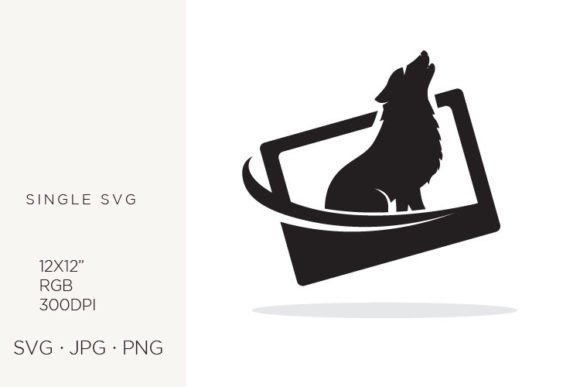
The core asset in question is a high-resolution digital graphic featuring a wolf integrated with or interacting with a smartphone screen. This is not a low-quality clip art piece but a professionally crafted vector element, designed on a 12x12 inch artboard at 300 DPI in the RGB color palette. The technical specifications— including SVG, JPG, and transparent PNG formats saved from Adobe Illustrator version 10—ensure versatility across various media. However, the true value lies not in the file format, but in the semiotic power of the imagery and how it aligns with your broader business or creative goals.
Decoding the Symbolism for Brand Alignment
Before integrating the Smart Phone Screen, Wolf graphic into your projects, it is crucial to analyze what these symbols represent to your target audience. The wolf is historically associated with loyalty, intelligence, independence, and strong social structures within packs. In a business context, these traits translate to team cohesion, strategic foresight, and resilient leadership. The smartphone screen, conversely, represents connectivity, immediacy, information access, and the digital frontier.
When combined, these elements create a narrative of "digital instinct" or "connected leadership." For a tech startup focusing on secure communications, this imagery might suggest vigilant protection of data. For a coaching brand, it could symbolize guiding a pack through the complex digital wilderness. The strategic utility of this artwork depends entirely on whether this narrative supports your brand’s core message. If your brand values chaos or randomness, this structured, powerful imagery may clash. However, if your goal is to project strength, clarity, and modern relevance, this vector becomes a valuable asset in your visual toolkit.
Practical Applications Across Media Channels
The versatility of the provided files allows for deployment across a wide spectrum of touchpoints. Because the package includes an SVG file, you can scale the image infinitely without losing quality, making it ideal for large-format printing or responsive web design. The 300 DPI JPG and transparent PNG files ensure crisp reproduction in both digital and print environments. Here is how different professionals might strategically utilize this asset:
- Logo Design and Branding: While using a pre-made vector as a full logo requires careful modification to avoid generic appearances, it serves as an excellent foundation for iconography. You might isolate the wolf element to create a favicon or use the composition as a secondary mark for specific product lines.
- Wall Art and Office Decor: For co-working spaces or corporate offices, printing this artwork on canvas or metal can reinforce company culture. It reminds teams of the balance between individual autonomy (the wolf) and constant connectivity (the screen).
- Stationery and Invitations: High-end event planners can use the transparent PNG to overlay the graphic on invitation cards for tech-themed galas or launch parties. The clean lines of the vector ensure it looks professional even when scaled down for business cards or letterheads.
- Web and Graphic Design: Web designers can use the SVG to create interactive elements. For instance, the wolf’s eyes could be animated to follow the cursor, creating an engaging user experience that emphasizes vigilance and attention to detail.
- Handmade Craft Items: Crafters selling printed paper items or handmade cards can leverage the high-resolution JPG to produce premium greeting cards. The theme appeals to individuals who identify with strength and technology, a growing demographic niche.
Strategic Planning and Implementation Risks
While the Smart Phone Screen, Wolf artwork is technically robust, its strategic implementation carries risks if approached without planning. The most common pitfall is context mismatch. Using aggressive or predatory imagery in industries that require softness, care, or tranquility—such as healthcare, childcare, or wellness—can alienate potential clients. Always conduct a brand audit before deployment. Ask yourself: Does this image reinforce the trust I am trying to build?
Another consideration is over-saturation. Vector graphics, especially those involving popular animals like wolves, are widely available. To maintain a competitive edge, you must customize the asset. Use the Adobe Illustrator source file to adjust colors to match your specific brand palette. Modify the background elements or integrate typography that speaks directly to your unique value proposition. Do not rely on the raw file alone; treat it as a component in a larger design system.
Furthermore, consider the platform-specific requirements. While the RGB color palette is ideal for screens, remember that print processes often use CMYK. Although the 300 DPI resolution is standard for print, always perform a test print to ensure color fidelity. The transparent PNG is particularly useful for layering over textured backgrounds in party decor or announcements, but ensure there is sufficient contrast so the details of the wolf remain visible.
Enhancing Productivity and Decision-Making
Beyond external branding, this artwork can serve internal strategic functions. Educators and trainers might use the image in presentations to discuss the evolution of communication. The wolf represents traditional, instinctual communication, while the smartphone represents modern, digital interaction. This visual metaphor can help audiences grasp complex shifts in behavioral psychology.
For freelancers and small business owners, having a library of high-quality, versatile assets like this reduces decision fatigue. Instead of spending hours searching for appropriate imagery for every new project, you can rely on a curated collection of meaningful vectors. This efficiency allows you to focus on higher-level strategic tasks, such as client acquisition and service delivery. The key is to select assets that align with your long-term vision, ensuring that every visual element contributes to a cohesive professional identity.
Long-Term Value and Adaptability
The longevity of this digital asset lies in its timeless symbolism. Wolves have been cultural icons for centuries, and smartphones are currently ubiquitous. While technology evolves, the concept of connectedness remains central to human experience. By owning the vector files, you retain the flexibility to adapt the image as trends shift. You might recolor it for seasonal campaigns or crop it for social media avatars. This adaptability ensures that your initial investment in the graphic continues to yield returns over time.
In conclusion, the Smart Phone Screen, Wolf vector artwork is more than a decorative item; it is a strategic tool for visual communication. Its effective use requires a deep understanding of your brand’s values, your audience’s perceptions, and the technical nuances of digital design. By approaching this asset with intentionality—customizing it, placing it in the right context, and aligning it with your broader goals—you can enhance your branding, improve your operational efficiency, and create more impactful connections with your audience. Avoid random usage; instead, let this powerful imagery serve as a deliberate expression of your professional identity and strategic vision.