Smart Phone Screen, Blue Elephant: Maximizing Your Digital Art Assets
In the rapidly evolving world of digital design, the distinction between a generic graphic and a professional-grade asset often lies in the technical specifications and versatility of the file. The Smart Phone Screen, Blue Elephant single vector artwork represents more than just a cute illustration; it is a foundational element for creators looking to produce high-quality merchandise, branding materials, and digital content. Whether you are a seasoned graphic designer or a hobbyist exploring print-on-demand opportunities, understanding how to properly utilize this specific asset can significantly elevate your output.
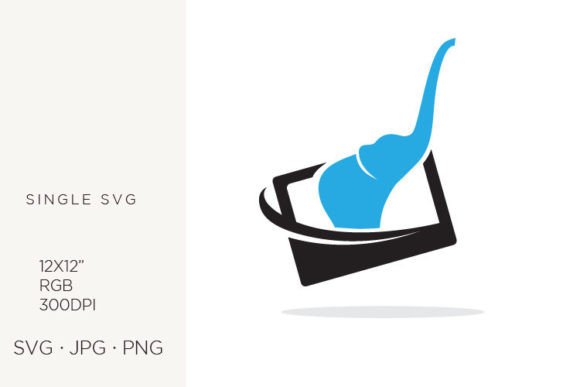
This particular design features a charming blue elephant displayed on a smart phone screen, encapsulated within a 12x12 inch artboard at a crisp 300 DPI resolution. While the visual appeal is immediate, the true value lies in the technical delivery: a ZIP file containing SVG, JPG, and PNG formats, all originating from Adobe Illustrator version 10. However, many users overlook the nuances of these file types, leading to subpar results in their final products. By addressing common pitfalls, you can ensure that your projects maintain professional integrity across various mediums.
Understanding the File Formats and Their Specific Uses
One of the most frequent mistakes creators make is treating all digital files as interchangeable. They are not. The Smart Phone Screen, Blue Elephant package includes three distinct formats, each serving a unique purpose in your workflow. Ignoring these differences can lead to pixelated prints, uneditable designs, or unnecessary software compatibility issues.
- SVG (Scalable Vector Graphics): This is the crown jewel of the package. As a vector file, it allows you to scale the image to any size without losing quality. It is essential for large-format printing, such as wall art or banners, and for cutting machines used in handmade crafts. Beginners often skip this file because it requires specific software to view or edit, but doing so limits your scalability options drastically.
- PNG (Portable Network Graphics) with Transparent Background: This format is crucial for layering. If you are designing invitation cards, announcements, or web graphics where the elephant needs to sit atop a colored background or pattern, the transparent PNG is your go-to. A common error is using the JPG for these tasks, which results in an unsightly white box around the image.
- JPG (Joint Photographic Experts Group): At 300 DPI, this file is suitable for standard printing where transparency is not required. It is universally compatible, making it ideal for quick previews or simple social media posts, but it lacks the editing flexibility of the SVG and the transparency of the PNG.
To avoid confusion, always start your project by identifying the end use. If you are creating a logo or a vinyl decal, open the SVG. If you are designing a digital flyer, use the PNG. Reserve the JPG for instances where file size is a constraint and transparency is irrelevant.
Color Management and Resolution Misconceptions
The artwork is provided in the RGB color palette, which is optimized for digital screens. This is perfect for web design, social media graphics, and digital invitations. However, a significant oversight occurs when creators use these RGB files for physical printing without conversion. Printers typically use the CMYK color model. While modern printers can handle RGB files, the colors may shift, often resulting in duller blues or inaccurate shades on paper.
For items like stationery, printed paper items, or party decor, it is advisable to convert the colors to CMYK in your design software before sending them to print. This ensures that the vibrant blue of the elephant remains consistent with what you see on your monitor. Additionally, while the 300 DPI resolution is excellent for high-quality prints up to the 12x12 inch artboard size, enlarging the raster files (JPG and PNG) beyond this dimension will cause pixelation. Always rely on the SVG for any enlargement beyond the original dimensions.
Software Compatibility and Editing Best Practices
The files are created in Adobe Illustrator and saved as version 10. This is a strategic choice for compatibility, as older versions of Illustrator and many other vector-based programs can open version 10 files. However, users of non-Adobe software, such as Inkscape or CorelDRAW, may encounter minor rendering differences. It is prudent to open the SVG in your preferred software first to check for any path errors or grouping issues before beginning your design work.
Another common mistake is attempting to edit the JPG or PNG files as if they were vectors. Raster images cannot be easily recolored or reshaped without significant quality loss. If you wish to change the shade of the blue elephant or modify the smart phone screen details, you must work with the SVG file. This allows you to isolate individual elements, adjust anchor points, and apply new color palettes seamlessly.
Practical Applications for Diverse Projects
The versatility of the Smart Phone Screen, Blue Elephant makes it suitable for a wide array of creative endeavors. Here are some effective ways to integrate this asset into your projects while avoiding common design errors:
- Logo Design and Branding: Use the SVG to create a clean, scalable logo for tech-focused blogs, children’s apps, or educational platforms. Ensure you simplify the design if it is being used at very small sizes, such as favicons.
- Handmade Craft Items: For vinyl cutting or heat transfer projects, the SVG is indispensable. Clean up any unnecessary nodes in the vector path to ensure smooth cuts. Test cut on scrap material first to verify the settings.
- Invitations and Announcements: Layer the transparent PNG over textured backgrounds for baby showers, birthdays, or tech-themed parties. Maintain sufficient contrast between the blue elephant and the background to ensure readability.
- Web and Graphic Design: Utilize the SVG for website icons or headers to ensure fast loading times and sharp display on retina screens. Optimize the SVG code if necessary to reduce file size without compromising quality.
Final Checks Before Implementation
Before finalizing any project, take a moment to review your usage rights and technical setup. Ensure that your design software is up to date to handle the SVG paths correctly. If you are outsourcing printing, communicate clearly with your provider about the file format you are supplying. Providing a print-ready PDF derived from the vector source is often safer than sending raw JPGs.
By respecting the technical strengths of each file type and understanding the limitations of RGB versus CMYK, you can transform the Smart Phone Screen, Blue Elephant from a simple graphic into a powerful tool for your creative business. Attention to these details not only improves the aesthetic quality of your work but also enhances efficiency, reducing the need for costly reprints or redesigns. Embrace the precision of vector art and the convenience of high-resolution raster files to create standout products that resonate with your audience.