Integrating Smart Phone Screen Aesthetics and Natural Leaves into Digital Design Workflows
The convergence of organic natural elements with modern digital interfaces has created a compelling niche in contemporary graphic design. Specifically, the juxtaposition of Smart Phone Screen visuals with detailed botanical illustrations, such as Leaves, offers designers a versatile toolkit for creating engaging visual narratives. This approach is not merely about aesthetic preference but involves a strategic understanding of how users interact with digital content while maintaining a connection to nature-inspired tranquility. By utilizing high-resolution vector artwork, creators can bridge the gap between tactile, handmade crafts and sleek, digital-first presentations.
When working with digital assets that feature these themes, the technical foundation is paramount. High-quality files, typically delivered in formats like SVG, JPG, and PNG with transparent backgrounds, ensure that the integrity of the design remains intact across various mediums. An artboard size of 12x12 inches at 300 DPI in the RGB color palette provides the necessary flexibility for both print and screen-based applications. This specific configuration allows for crisp edges on mobile displays while retaining enough detail for physical prints, making it an ideal starting point for diverse creative projects.
The Versatility of Vector-Based Botanical Graphics
Vector graphics serve as the backbone of scalable design. Unlike raster images, which can lose quality when resized, vector files allow for infinite scaling without pixelation. This characteristic is crucial when adapting a single piece of artwork for multiple uses, from a small icon on a Smart Phone Screen to a large-scale wall art installation. The inclusion of Leaves in these vectors adds an element of organic complexity that softens the rigid geometry often associated with technology-focused designs.
Designers benefit significantly from having access to files created in professional software such as Adobe Illustrator. Saving these files as version 10 ensures compatibility with a wide range of design tools, allowing both seasoned professionals and hobbyists to manipulate the paths, colors, and layers effectively. The availability of a transparent PNG file further simplifies the integration process, enabling seamless overlay onto various backgrounds without the need for complex masking techniques. This ease of use encourages experimentation, leading to more innovative outcomes in branding and personal projects alike.
Applications in Branding and Identity Design
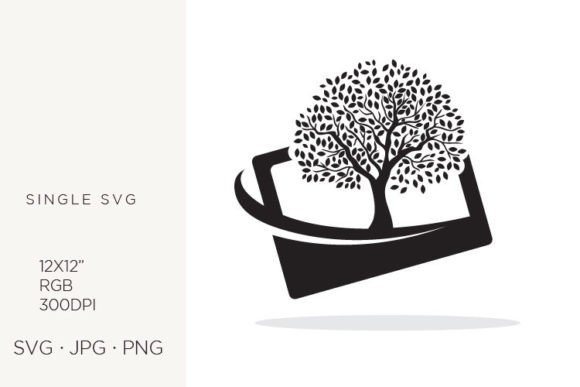
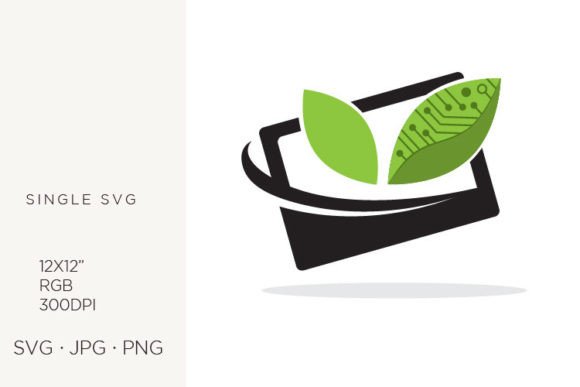
One of the most impactful uses of this type of digital artwork is in logo design and brand identity. Companies aiming to project an image of sustainability, growth, or technological harmony often seek visuals that combine natural motifs with clean, modern lines. A logo featuring stylized Leaves integrated with the silhouette of a Smart Phone Screen can communicate a message of eco-friendly technology or digital wellness. The clarity provided by vector formats ensures that these logos remain legible and striking whether displayed on a business card or a billboard.
Furthermore, the consistency offered by a unified design system helps in building brand recognition. By using the same core elements across different touchpoints, businesses can create a cohesive visual language. This extends beyond just the logo to include patterns, icons, and background textures used in marketing materials. The ability to tweak colors within the vector file allows brands to align the artwork with their specific color palettes, ensuring that the final output resonates with their target audience.
Enhancing Print Media and Stationery
While digital screens are dominant, the demand for high-quality printed materials remains strong. Invitation cards, announcements, and handmade cards benefit greatly from the sharpness of 300 DPI resolution. When designing stationery, the interplay between the digital motif of a Smart Phone Screen and the organic texture of Leaves can create a unique thematic contrast. For instance, a wedding invitation might use leafy borders to frame a central graphic that subtly references digital connectivity, symbolizing the joining of two lives in a modern context.
Printed paper items, such as journals, planners, and notebooks, also serve as excellent canvases for these designs. The 12x12 inch artboard size is particularly suitable for cover designs or page layouts that require substantial visual impact. Designers can experiment with layering effects, using the transparent PNG files to add depth and dimension to the printed surface. This approach transforms ordinary stationery into collectible items that appeal to consumers who appreciate both functionality and artistic expression.
Crafting and Handmade Decor
The rise of the maker movement has led to a surge in demand for digital files that can be used in crafting. SVG files are especially valuable here, as they can be imported into cutting machines to create precise shapes from vinyl, paper, or fabric. Crafters can use these designs to create custom decals for laptops, phone cases, or home decor items. The combination of Smart Phone Screen imagery with Leaves offers a fresh take on traditional crafting themes, appealing to a demographic that values both technology and nature.
Handmade craft items, such as tote bags, pillows, and wall hangings, can be personalized with these graphics through heat transfer or screen printing. The high resolution of the source files ensures that the details of the leaves are preserved, adding a touch of elegance to the final product. Additionally, party decor can be elevated by incorporating these elements into banners, centerpieces, and photo backdrops. The versatility of the design allows for adaptation to various themes, from tech-themed birthday parties to nature-inspired bridal showers.
Digital Implementation in Web and App Design
In the realm of web and graphic design, the use of optimized vector assets contributes to faster loading times and better user experiences. SVG files are lightweight and scale perfectly across different devices, making them ideal for responsive web design. Incorporating elements like Leaves and Smart Phone Screen outlines can help in creating visually appealing headers, icons, and background patterns that enhance the overall aesthetic of a website or application.
For app developers, these graphics can be used to create engaging onboarding screens, tutorial illustrations, or empty state messages. The clean lines and modern feel of the artwork align well with current UI/UX trends, which favor minimalism and clarity. Moreover, the RGB color palette ensures that the colors appear vibrant and accurate on digital displays, contributing to a polished and professional look. By leveraging these pre-made assets, designers can save time and focus on other aspects of the user interface, such as navigation and functionality.
Considerations for Effective Usage
While the availability of high-quality digital assets is beneficial, it is essential to use them thoughtfully. Overloading a design with too many elements can lead to visual clutter, detracting from the main message. Designers should strive for balance, using the Smart Phone Screen and Leaves motifs as accents rather than overwhelming features. Understanding the context in which the design will be viewed is also crucial. For example, a design intended for a small mobile screen requires different considerations than one meant for a large printed poster.
Additionally, respecting licensing agreements and usage rights is important when utilizing third-party digital graphics. Ensuring that the files are used within the permitted scope helps maintain ethical standards in the design community. By combining technical proficiency with creative vision, designers can harness the potential of these assets to produce work that is not only visually stunning but also meaningful and relevant to their audience.
Ultimately, the fusion of natural and technological elements in design reflects a broader cultural trend towards integrating our digital lives with our physical environment. By mastering the use of vector artwork featuring Smart Phone Screen and Leaves, creators can produce versatile, high-impact designs that resonate across various platforms and mediums. Whether for commercial branding, personal crafting, or digital interfaces, these tools offer endless possibilities for innovation and expression.