Integrating Open Book, Mother Board, and Human Figure Elements into Professional Design Workflows
In the rapidly evolving landscape of digital creation, the ability to seamlessly blend symbolic imagery with technical precision is a hallmark of effective design. The combination of an Open Book, a Mother Board, and a Human Figure represents more than just a collection of graphics; it symbolizes the intersection of knowledge, technology, and humanity. For professionals ranging from graphic designers and marketers to educators and entrepreneurs, understanding how to utilize these specific vector assets can significantly enhance the visual communication of complex ideas. This article explores the practical integration of these elements into your creative pipeline, focusing on workflow efficiency, technical compatibility, and versatile application.
Understanding the Symbolic Triad in Visual Communication
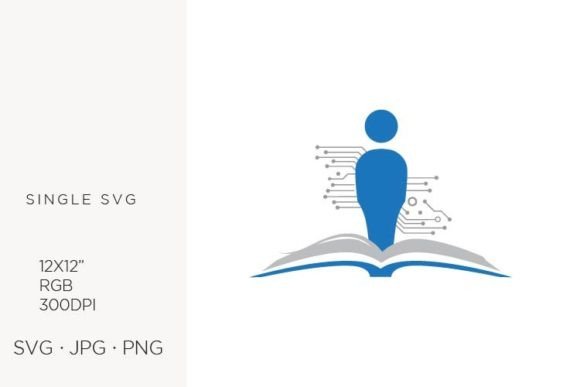
Before diving into the technical specifications, it is crucial to understand the narrative power of these three components. The Open Book traditionally signifies learning, transparency, and foundational knowledge. The Mother Board represents the underlying infrastructure of modern life—connectivity, processing power, and digital logic. The Human Figure grounds these concepts, reminding the viewer that technology and knowledge serve people. When combined, these elements create a cohesive story about the human experience in a digital age. This triad is particularly effective for projects involving ed-tech, corporate social responsibility reports, tech-startup branding, and educational materials.
Using pre-made vector files for these elements allows creators to bypass the time-consuming initial sketching phase. Instead of starting from scratch, you can focus on composition, color theory, and contextual adaptation. This approach aligns with modern agile workflows where speed and iteration are valued alongside quality.
Technical Specifications and File Compatibility
The foundation of any smooth design process is reliable asset management. The digital graphics elements discussed here are crafted in Adobe Illustrator, ensuring they are true vector graphics. This origin is critical for scalability. Whether you are designing a small business card or a large-format wall mural, the integrity of the lines and shapes remains intact. The standard artboard size for these source files is 12 x 12 inches at a resolution of 300 DPI in the RGB color palette.
Understanding the file formats provided—SVG, JPG, and PNG—is essential for proper implementation:
- SVG (Scalable Vector Graphics): This is the primary format for web design and responsive layouts. It allows for infinite scaling without pixelation and can be manipulated via CSS for interactive web elements. Use this for logos, icons, and interface designs.
- JPG (Joint Photographic Experts Group): Ideal for photographic contexts or when file size is a concern. While it does not support transparency, it is widely compatible across all platforms and suitable for quick previews or non-transparent backgrounds.
- PNG (Portable Network Graphics): This format supports transparency, making it indispensable for layering the Human Figure or Mother Board over other backgrounds without unsightly white boxes. It is perfect for presentations, social media graphics, and composite images.
By having access to all three formats, you eliminate the need for constant conversion, reducing the risk of quality loss and saving valuable production time.
Workflow Integration: From Concept to Final Output
Integrating these assets into your workflow requires a strategic approach. Here is how you can effectively use the Open Book, Mother Board, and Human Figure at different stages of a project.
Pre-Production and Planning
During the brainstorming phase, use these elements as mood board anchors. If you are developing a brand identity for a tech education platform, place the Open Book and Mother Board side by side to visualize the merger of traditional learning and digital tools. This helps stakeholders grasp the core value proposition quickly. Since the files are vector-based, you can easily recolor them to match tentative brand palettes, allowing for rapid A/B testing of visual themes.
Execution and Design
When moving into the design phase in Adobe Illustrator or similar software, import the SVG files. Because they are made in a vector program, you can ungroup elements and modify individual paths. For instance, you might want to extract a specific circuit pattern from the Mother Board to use as a subtle background texture. Or, you might adjust the posture of the Human Figure to better fit the composition. This level of customization ensures that the assets do not look generic but are tailored to your specific project needs.
For web designers, embedding the SVG code directly into HTML allows for lightweight, fast-loading graphics that remain sharp on high-resolution retina displays. This contributes to better SEO performance and user experience, as page load speeds are a critical ranking factor.
Post-Production and Distribution
Once the design is finalized, export the necessary formats for distribution. For printed paper items like invitations or stationery, ensure you convert the RGB colors to CMYK if your printer requires it, although many modern digital printers handle RGB well. For digital announcements and party decor shared on social media, the PNG format with transparency will ensure your graphics look professional against various background colors.
Practical Applications Across Industries
The versatility of these digital graphics extends far beyond simple illustration. Here are several practical use cases where these elements add significant value:
- Logo Design and Branding: Combine the Open Book and Mother Board to create a unique mark for a library tech initiative or a coding bootcamp. The Human Figure can be integrated to suggest user-centric design.
- Wall Art and Home Decor: Create modern, tech-inspired art pieces for office spaces. The clean lines of vector graphics translate beautifully to large-format prints, adding a sophisticated touch to coworking spaces or home offices.
- Handmade Craft Items and Jewelry: Use the intricate details of the Mother Board as a template for laser cutting wood or acrylic. The Human Figure can be used for pendant designs, creating meaningful wearable art that symbolizes connectivity.
- Stationery and Invitations: Design elegant invitations for tech conferences or graduation parties. Layer the Open Book with floral or geometric patterns to soften the technological edge, making it suitable for celebratory occasions.
- Graphic and Web Design: Use these elements as icons in infographics explaining digital literacy. They provide immediate visual cues that help users process information faster.
Ensuring Quality and Consistency
To maintain high standards in your output, pay attention to color consistency. Since the source files are in RGB, colors may appear differently on screen versus in print. Always proof your designs on the intended medium. Additionally, organize your layers logically within your design software. Keep the Human Figure, Open Book, and Mother Board on separate layers or groups. This organization facilitates easier edits and adjustments later in the project lifecycle.
Furthermore, consider the context of use. While the Mother Board suggests high-tech sophistication, pairing it with the Open Book can sometimes create a visual clash if not balanced correctly. Use spacing, opacity, and color harmony to unify these distinct elements. For example, using a monochromatic color scheme can tie the mechanical nature of the circuit board with the organic shape of the human figure and the rectangular book.
Long-Term Value and Asset Management
Investing in high-quality vector assets like these pays dividends over time. Unlike raster images that degrade with resizing, these vector files remain usable for years, regardless of changes in display technology. Store your original AI or SVG files in a cloud-backed directory with clear naming conventions. This ensures that when a client requests a revision two years down the line, you can retrieve the editable source files instantly.
Moreover, these elements can be mixed and matched with other assets in your library. The Human Figure from this set might pair well with different background elements, while the Mother Board patterns can serve as textures for entirely unrelated projects. This modularity maximizes the return on investment for your design resources.
In conclusion, the strategic use of Open Book, Mother Board, and Human Figure graphics offers a powerful toolkit for modern creators. By understanding their symbolic weight, technical specifications, and versatile applications, you can streamline your workflow and produce compelling, high-quality designs. Whether you are crafting a logo, designing a website, or creating handmade crafts, these elements provide the flexibility and professionalism needed to stand out in a crowded digital marketplace.