Mastering Minimalism: How the Straight Horizontal Line Collection Elevates Modern Design Projects
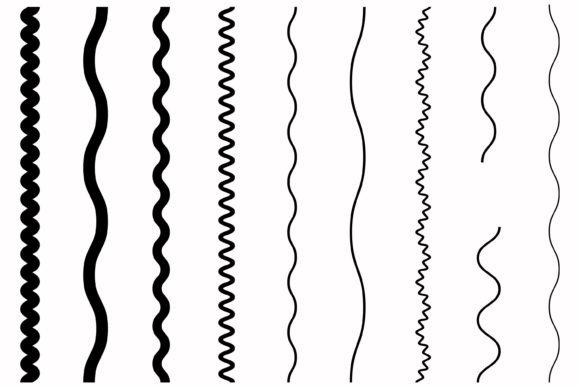
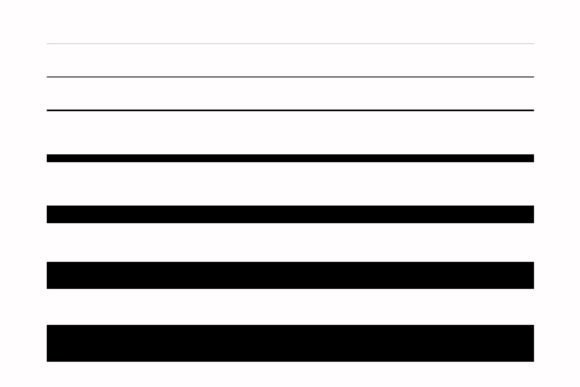
In the vast universe of graphic design, simplicity is often the most difficult element to master. While complex illustrations and vibrant color palettes grab immediate attention, it is the subtle, structural elements that hold a composition together. This is where the Straight Horizontal Line Collection becomes an indispensable asset for designers, marketers, and business owners alike. Far from being merely decorative, these lines serve as visual anchors, guiding the viewer’s eye and creating a sense of order amidst chaos.
For those seeking to understand the practical application of minimalism in professional work, exploring a beautiful unique line art collection set icons offers a gateway to cleaner, more effective communication. Whether you are designing a corporate annual report, a sleek website interface, or a minimalist brand identity, understanding how to utilize these fundamental shapes can transform your output from amateur to expert.
The Strategic Purpose of Linear Elements in Business Design
Many beginners mistakenly view lines as mere borders or separators. However, in professional business designs, lines perform critical cognitive functions. They organize information, establish hierarchy, and create rhythm. A straight horizontal line, in particular, suggests stability, calmness, and continuity. It mimics the horizon, providing a grounded feeling that is psychologically comforting to the viewer.
When you integrate a curated set of line art into your projects, you are not just adding decoration; you are adding structure. Consider a landing page for a tech startup. Without clear dividers, text blocks can bleed into one another, causing cognitive overload for the user. By employing high-quality horizontal lines, you create distinct sections that allow the brain to process information in manageable chunks. This improves readability and, consequently, user engagement.
Why Quality and Format Matter in Digital Assets
Not all design assets are created equal. When sourcing resources for professional use, the technical specifications of the files are just as important as their aesthetic appeal. A premium collection ensures versatility across various media types, from print brochures to high-resolution digital screens. To truly leverage these tools, one must understand the value of receiving a comprehensive package that includes multiple file formats.
For instance, a robust design kit should provide 84 PNG files at 300dpi. The 300 dots per inch resolution is the gold standard for print materials, ensuring that your lines remain crisp and sharp when printed on business cards or large-format banners. Simultaneously, having 84 SVG files allows for infinite scalability without loss of quality, which is essential for web design and responsive layouts where elements must adapt to different screen sizes.
Exploring the Versatility of the Collection
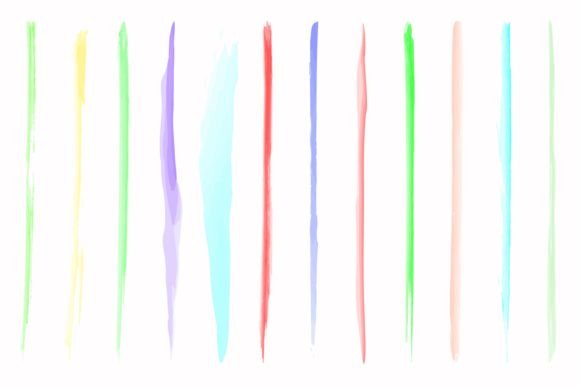
The beauty of a well-curated line art set lies in its diversity. A typical high-end collection offers both vertical and horizontal orientation, giving designers the flexibility to construct grids, frames, and complex geometric patterns. This duality is crucial for modern layout design, which often requires breaking away from traditional top-to-bottom reading flows.
Imagine you are creating an infographic about financial growth. Using only horizontal lines might make the data feel static. By introducing vertical elements from the same collection, you can create bar-chart-like visuals or timeline markers that add dynamic movement to the piece. This interplay between directions helps maintain visual interest while keeping the overall aesthetic cohesive.
File Formats Decoded: What You Receive and Why It Helps
To maximize the utility of any design resource, it is essential to know what you are working with. A complete professional package typically includes a variety of formats to suit different software ecosystems and workflow needs. Here is a breakdown of what a comprehensive line collection offers and how each format serves a specific purpose:
- 84 PNG Files (300dpi): Perfect for quick drag-and-drop usage in presentation software like PowerPoint or Keynote, as well as for high-quality print jobs where transparency is needed.
- 84 SVG Files: Ideal for web developers and UI/UX designers. These vector files are lightweight and code-friendly, ensuring fast loading times and perfect rendering on retina displays.
- 5 EPS Files: Encapsulated PostScript files are industry standards for professional printing and older vector software. They ensure compatibility with a wide range of legacy systems.
- 1 AI File: Adobe Illustrator files contain all designs in a single, editable document. This is invaluable for designers who need to modify the stroke weight, color, or length of the lines to match specific brand guidelines.
- 5 JPG Files: Useful for quick previews or for platforms that do not support transparent backgrounds, providing a universal fallback option.
Practical Applications in Modern Creativity
How does one actually use these assets in daily work? The applications are nearly endless. In education, teachers and instructional designers can use these lines to create clean worksheets, separate quiz questions, or highlight key definitions without distracting students with overly colorful graphics. In technology, app developers use thin, precise lines to separate navigation menus from content areas, enhancing usability.
For creativity and branding, these lines can be stacked to create textures. By overlapping multiple horizontal lines with varying opacity, you can generate a gradient effect or a "glitch" aesthetic that feels modern and edgy. This technique is popular in music album covers and fashion lookbooks, where a minimalist vibe is desired but pure white space feels too empty.
Common Misunderstandings About Minimalist Design
A common assumption is that using simple lines makes a design look "unfinished" or "lazy." On the contrary, effective minimalism requires a keen eye for spacing and proportion. When you use a Beautiful unique line art collection, you are leveraging pre-balanced proportions that have been designed by professionals. This removes the guesswork and ensures that your dividers are aesthetically pleasing.
Another misconception is that line art is only for black-and-white designs. While monochrome is classic, these vectors can be easily recolored in software like Adobe Illustrator or even free tools like Inkscape. You can match your company’s brand colors exactly, turning a simple line into a branded element that reinforces identity.
Building a Broader Understanding of Visual Hierarchy
Ultimately, the goal of using such a collection is to improve visual hierarchy. Hierarchy tells the viewer what to look at first, second, and third. Horizontal lines act as pauses in the visual narrative. They give the eye a rest before moving to the next section. Without these pauses, content feels rushed and overwhelming.
By incorporating these assets, you are not just decorating; you are curating an experience. Whether you are a seasoned graphic designer or a small business owner creating your own marketing materials, having access to high-quality, versatile line art empowers you to communicate more clearly. It bridges the gap between raw content and polished presentation.
Conclusion: The Value of Precision in Design
In conclusion, the Straight Horizontal Line Collection is more than a set of digital files; it is a toolkit for clarity. With 84 PNG files, 84 SVG files, and comprehensive vector options like EPS and AI, this resource provides the flexibility needed for any project. From business reports to creative web layouts, these elements help structure information in a way that is both beautiful and functional.
As you continue to explore design, remember that the smallest details often have the biggest impact. By mastering the use of simple, elegant lines, you elevate your work, ensuring that your message is not just seen, but understood. For anyone looking to refine their visual communication skills, investing in high-quality, versatile line art is a step toward professional excellence.